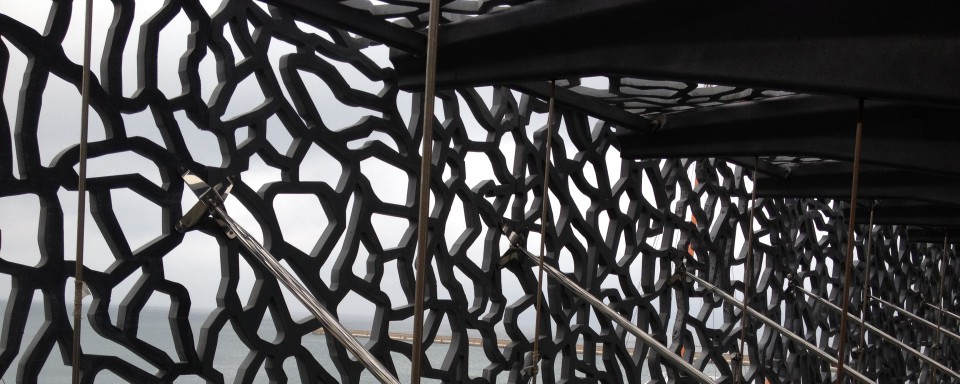
Last week, I had the privilege of being a jury member at a hackathon. Around 80 professionals gathered near Barcelona to ideate, design, and pitch a new service concept within three days. The event was hosted by Eurapco, that I recently joined.
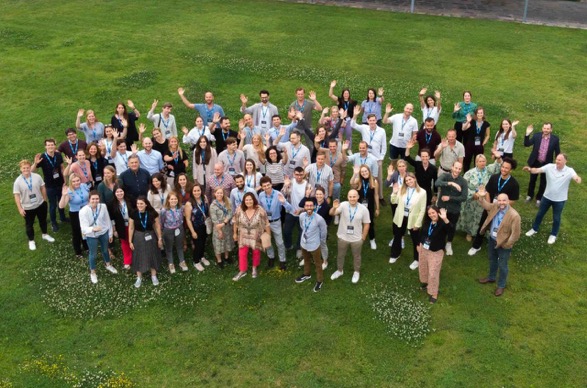
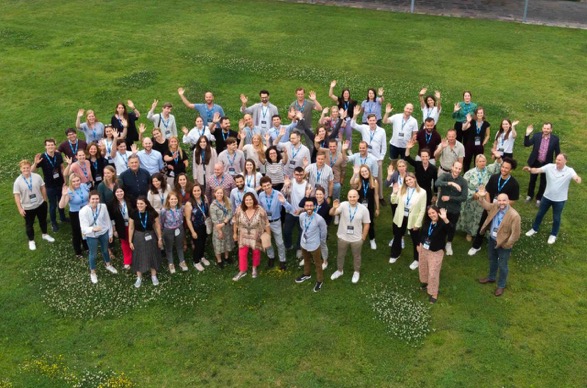
We arrived on Wednesday at a beautiful park with excellent infrastructure. Design thinking was on the agenda for that Wednesday. The goal was to establish a common ground for all participants. Adam Royalty, nomen est omen, delivered an outstanding session, combining theory with practical examples. It was impressive to see so many people come together quickly and delve deep into the subject matter. The atmosphere was also great.
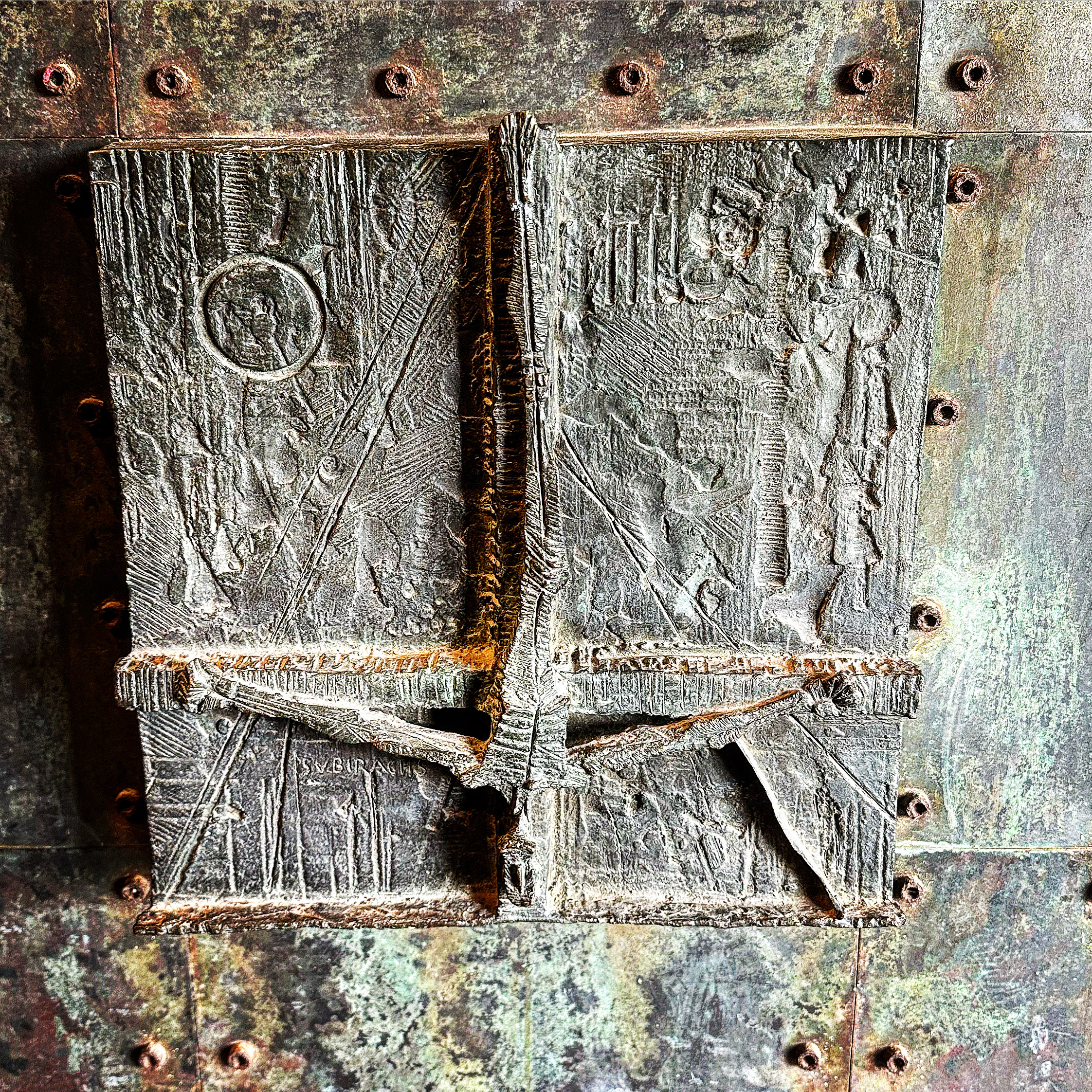
The central venue was a church. The image of the Lord was hanging upside down on the door, interestingly enough.
The following day, Thursday, the ten teams were fully focused on creating a new concept. It had to revolve around health, well-being, environment, or sustainability. That was the only restriction. Oh, and it had to be presentable, preferably with some form of a pretotype.
In between, there were various workshops attended by a delegation from each team. There were no distractions for the entire team; they had to work.
The jury was scheduled to judge all the pitches the next day, Friday morning. The winning team would receive a glittering prize, a trophy!
On Thursday evening, some teams worked until eleven o’clock and then headed to the bar for karaoke. At least the Dutch participants, mainly Nienke, one of the top performers, and myself, took part. It was necessary after working so hard.
And then it was Friday.
I always have an early breakfast, and around seven o’clock, I saw teams already working! Everyone was quite tense. The final session, the pitch event, started at half past eight. As I entered the church, I could smell the hard work. It was beautiful.
The pitch event
The atmosphere was lively and excited.
The first team took the stage and had a total of fifteen minutes. They presented and answered questions. Being the first is always challenging: there is no point of comparison yet, everyone is still getting into it, and there you are, on the stage. The pitch was decent, but there were too many loose ends. Too many, indeed. That was also the feedback from the jury. There was a lot of energy and fun, but the business side could have been more solid. I mentioned that I wouldn’t invest my money in it at this moment.
Applause!
Team two. Ah, this one had more substance. The concept was well-developed, including the revenue model. It was about an app that allowed customers to do something while helping the climate. The app was beautifully designed in Figma, with all the necessary features. The user, an SME, could easily indicate what had already been done and how much more needed to be done. A kind of score meter. When the jury asked about the how, what, who, why, and the ultimate goal, the answer was that AI would be employed.
Team three. Another impressive presentation, leading up to the value added to the customer and upselling. When asked how they would earn money and ensure customer satisfaction and loyalty, the answer was through AI.
Team four. The same story with the same outcome: AI would eventually be the answer to all outstanding issues.
AI as God
We could have waited for all the pitches, but I requested the microphone. I stated that in bygone times, when things were going wrong and people were searching for important answers, they called upon God. The panacea for all your problems. Life became fuzzy, the outcome uncertain, and mostly threatening, and people sought assistance from Heaven.
That God is now called AI. Here at this event, AI was invoked to address all uncertainties and imperfections. And that is remarkable because essentially you’re admitting that you have no idea and are just making things up. Not having an idea is not a problem at all. Just acknowledge it. Say that you don’t know yet, that you don’t have the solution. That you still need to work on it, and so on. But at least don’t claim that AI will take care of it all.
That was my message. Afterward, the remaining teams in their pitches all came back to AI as the answer to all your questions, except for the winning team.
The pitchers were not alone in this regard. In politics, for example, AI is quickly referenced when it comes to cost savings in healthcare. It goes on and on. The real problem is that people express themselves so imprecisely, making it seem like they are making meaningful statements when they are not. AI is so ambiguous that it says nothing. What are you going to do with it, why are you doing it, how does it work, and what results can you achieve with it? And importantly, can you actually build and realise it?
The winners
We left it at that. Each team presented their pitch, and each time, as the jury, we were impressed by the creativity of the teams and the quality of the pitches. It’s amazing that this is possible in just one and a half days. We also realized that if you give professionals a day and a half, they can get it done. The same goes if you give them three weeks.
The winners had designed a super simple app, including a pretotype: a box with a few buttons on it. You could immediately grasp the idea. Beautiful wireframes in Figma, and AI was not necessary because it involved peer-to-peer communication. A service without God, so to speak.
I look back on three amazing days. The atmosphere, the creativity, the fun, the concentration—everything was perfect. It was well-organized down to the smallest detail, with highly motivated professionals. I’m looking forward to the next hackathon.
What I also look forward to is delving deeper into AI. We need to look beyond the hype and not get lost in apocalyptic images or unrealistic Savior-like statements of jubilation. We have been doing fine without AI for millennia, and the world and humanity don’t suddenly become different or better.
A cryptogram to end with
Remove the woman from the G’d of the Hebrews, and you get AI (6 letters).

 Dick Koopman